
Winter HVAC maintenance in San Diego is mostly about a heating system that has sat unused for months and is about to be asked to work on the coldest night of the year. The fix is not complicated. It is a scheduled inspection and clean of a system that still works, done so it keeps working. The point is to find the small, cheap fault before it strands you.
Here's the short version:
- San Diego furnaces run for only a few weeks a year, and long periods of standing still are exactly what causes first night failures.
- A real tune up measures things. Temperature split and amp draw get read with instruments, not guessed at by feel.
- The usual winter furnace faults are a dirty flame sensor, a failed igniter, a stuck pressure switch or a filter clogged after months of inactivity.
- On gas equipment, venting and combustion get checked for carbon monoxide, which is a safety item rather than an efficiency one.
- Heat pumps need the same attention, just split across both the cooling and heating sides of the system.
Why Mild Winters Are Harder on Heating Than Cold Ones
In a cold climate, a furnace runs most days from autumn through spring. Problems announce themselves early and get fixed while the weather is still forgiving. San Diego works the other way around. The furnace sits idle through spring, summer and most of autumn, then gets switched on during the first genuinely cold evening and asked to go from nothing to full output.
That gap is where failures come from. Dust settles on a flame sensor so the burner lights and then shuts itself down a few seconds later. An igniter that was already near the end of its life gives out on the first call for heat. A pressure switch sticks. A filter that was fine in June has had months to load up with household dust while the blower was off, and now it is choking airflow badly enough that the air coming out of the registers never feels warm.
None of those are expensive parts. They are frustrating because they fail at the worst possible moment, usually at night, usually when the house is already cold. A tune up before the season catches them while they are still inconvenient instead of urgent.
The Cooling Side Does Not Get a Winter Off
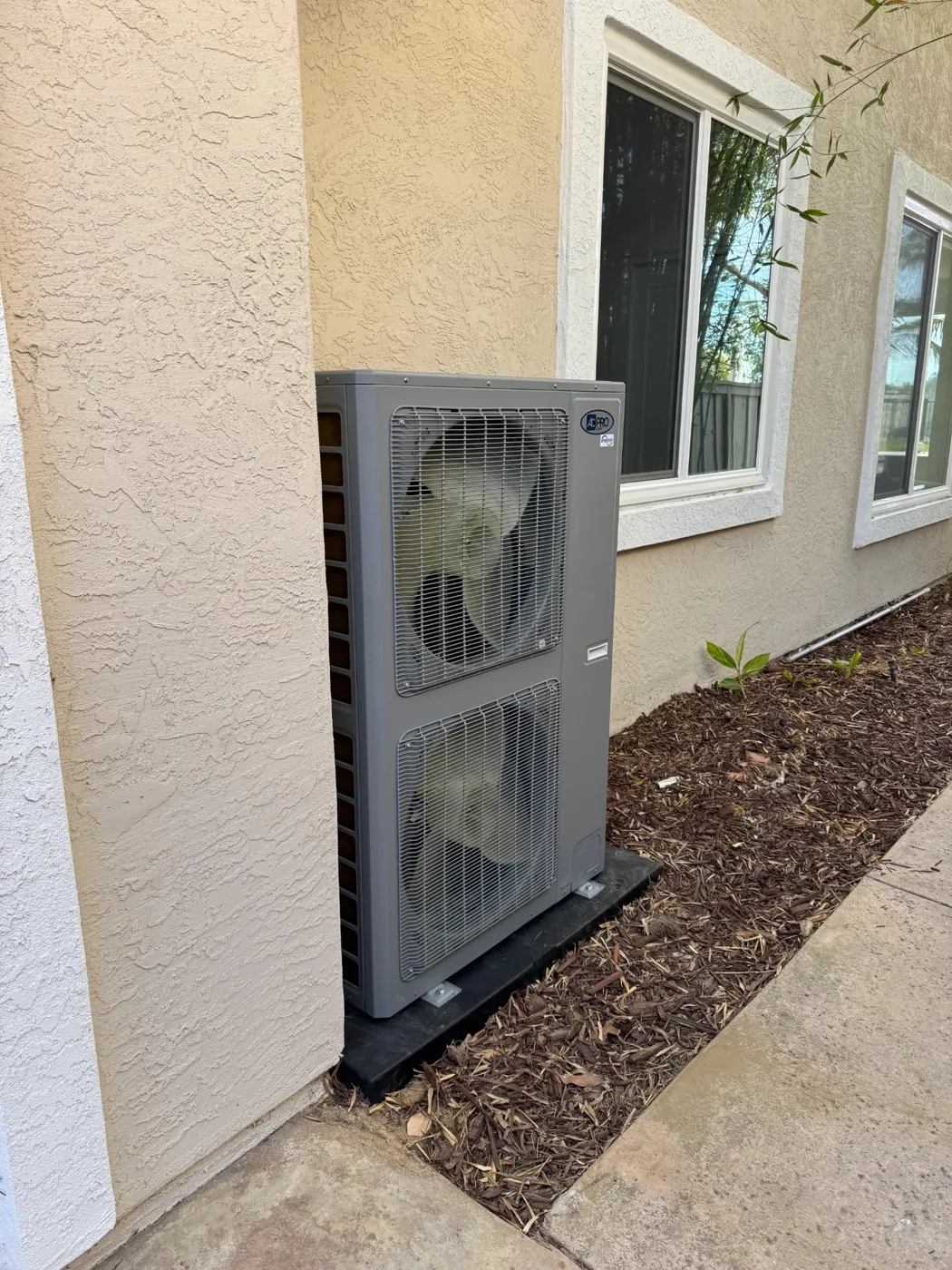
If your home has a heat pump, there is no separate heating appliance to think about. One system cools in summer and reverses to heat in winter, moving heat rather than burning anything to produce it. That suits San Diego well, because heat pumps lose efficiency in genuine cold and this region does not deliver much of it. It also means winter maintenance has to cover the outdoor unit, the refrigerant charge and the reversing behavior, not just the indoor blower.
Even on a gas furnace paired with a conventional air conditioner, the blower, the filter and the ductwork are shared equipment. Whatever you clean and correct in winter pays off again in July.
What a Winter Tune Up Actually Includes
A tune up is not a walk around with a flashlight. The useful version measures performance and writes it down. Temperature split and amp draw get measured rather than eyeballed, because those two readings are how you tell a system that is working from one that is working too hard for the same result. Coil cleaning and drain clearing are part of the visit. On gas equipment, venting and combustion are checked for carbon monoxide.
The economics are straightforward. A dirty condenser coil or a charge that has drifted low makes the system run longer to deliver the same comfort, so you pay for it on the monthly bill whether or not anything has actually broken. A tune up finds the worn capacitor, the drifting charge and the blocked drain while they are still small items. If you want a room by room version of this to work from before you book anything, the HVAC Maintenance Checklist for San Diego Homeowners walks through it in order.
You should also expect written findings you keep, not a verbal summary at the door. That record is what lets you compare readings next year and see whether something is drifting.
A technician measuring readings at an indoor air handler during a seasonal inspection.
Tune Up, Repair, or Replace
Homeowners often ask which category their situation falls into. Here is the practical difference.
| Situation | What it is | What happens on the visit |
|---|---|---|
| System runs, nothing obviously wrong | Scheduled maintenance | Measure, clean, clear drains, check combustion, document findings |
| Furnace will not ignite, will not stay lit, or blows cool air | Heating repair | Flame sensor, igniter and pressure switch tested in order, then a straight number before work starts |
| Equipment is old and you are also facing a failing AC | Replacement conversation | The system gets looked at in person, sized off the house, and quoted after that |
A note on that last row. Sizing is the step that gets skipped most often, and it matters more than brand choice. An oversized system short cycles and wears itself out early, so the right approach is to size off the house rather than matching whatever happened to be installed before. If you are weighing one piece of equipment that does both jobs, Heat Pump Installation is the route that replaces an aging furnace and a tired air conditioner at the same time and takes gas combustion out of the heating side of the house.
What You Can Handle Yourself, and What You Should Not
Change the filter. That one task prevents a real share of winter complaints, and it costs almost nothing. Keep the area around the indoor unit and the outdoor unit clear. Run the heat for a short cycle in late autumn, before you actually need it, so that if something has failed you find out on a mild afternoon instead of a cold midnight.
Leave combustion alone. Anything involving the burner assembly, the heat exchanger, the venting or the gas side belongs to a licensed technician, because the failure mode there is not discomfort, it is carbon monoxide. A heat exchanger concern should be explained to you as a safety question with the evidence laid out, not used as a lever to sell you a new system.
Airflow problems that persist after a filter change usually are not equipment problems at all. If one room never gets comfortable while the rest of the house is fine, the ducts are the likely cause, and Ducting & Zoning work addresses the runs and the zoning rather than replacing perfectly good equipment.
Booking Winter Maintenance with CrossBreeze Heating & Air
CrossBreeze Heating and Air is a Filipino owned HVAC company founded by Eddie Layola in 2018, working out of Mira Mesa and serving San Diego, the South Bay and East County. Eddie holds the California C20 license and is usually the one who comes out to the house, so the person diagnosing your system is the person whose name is on the company. The company is licensed, bonded and insured, and rated 5.0 across 26 Google reviews.
For heating season we handle both ends of the work: HVAC Maintenance & Tune Ups on systems that are still running fine, and Furnace & Heating Repair when something has already quit. On repair calls, no number comes before Eddie has seen the furnace run. On maintenance visits, you get the measurements in writing. We work on gas furnaces and heat pump heating, on our own installs and on systems other companies put in.
One customer, Mark, wrote: "I have used other companies over the years and I am so blessed to say that Crossbreeze will get all my services for ever. Technician name was Eddie he went over and above to make sure that we were happy. One word for Crossbreeze (excellent)"
Tell us what is going on and we will get right back to you. Request a visit from CrossBreeze Heating & Air or call 760-715-0523.
FAQs
When is the best time to book winter HVAC maintenance in San Diego?
Before you need the heat, which in practice means late autumn. The whole value of the visit is catching a failed igniter or a dirty flame sensor on a mild day rather than discovering it on the first cold night. If you have already had a cold snap and the furnace behaved, it is still worth booking.
What does a tune up cost?
That depends on the equipment, how it is configured and what the visit turns up, so a figure over the phone would be a guess. What drives it is the type of system, whether it is gas or a heat pump, and whether anything found during the inspection needs correcting. Call or use the contact form for an actual number for your home.
My furnace blows air but it never gets warm. Is that a big repair?
Often it is not. A clogged filter, a flame sensor that shuts the burner down shortly after ignition, or a failing igniter all produce that symptom, and those are the first items checked. The diagnosis has to happen in person, and you should get a straight number before any repair starts.
Do heat pumps need winter maintenance if they also run all summer?
Yes, and arguably more attention, because the same equipment serves both seasons. Charge, airflow, amp draw and the heating side performance all get checked. A heat pump that has drifted low on charge will still produce some heat, just slowly and at a higher running cost.
Will maintenance help the room that is always uncomfortable?
Sometimes, if the cause is a dirty coil, a clogged filter or a blocked drain. Often the cause is duct related, especially when the runs sit in a hot attic, and in that case measuring airflow at the registers tells you more than servicing the equipment does. A technician can tell you which of the two you are dealing with on the same visit.