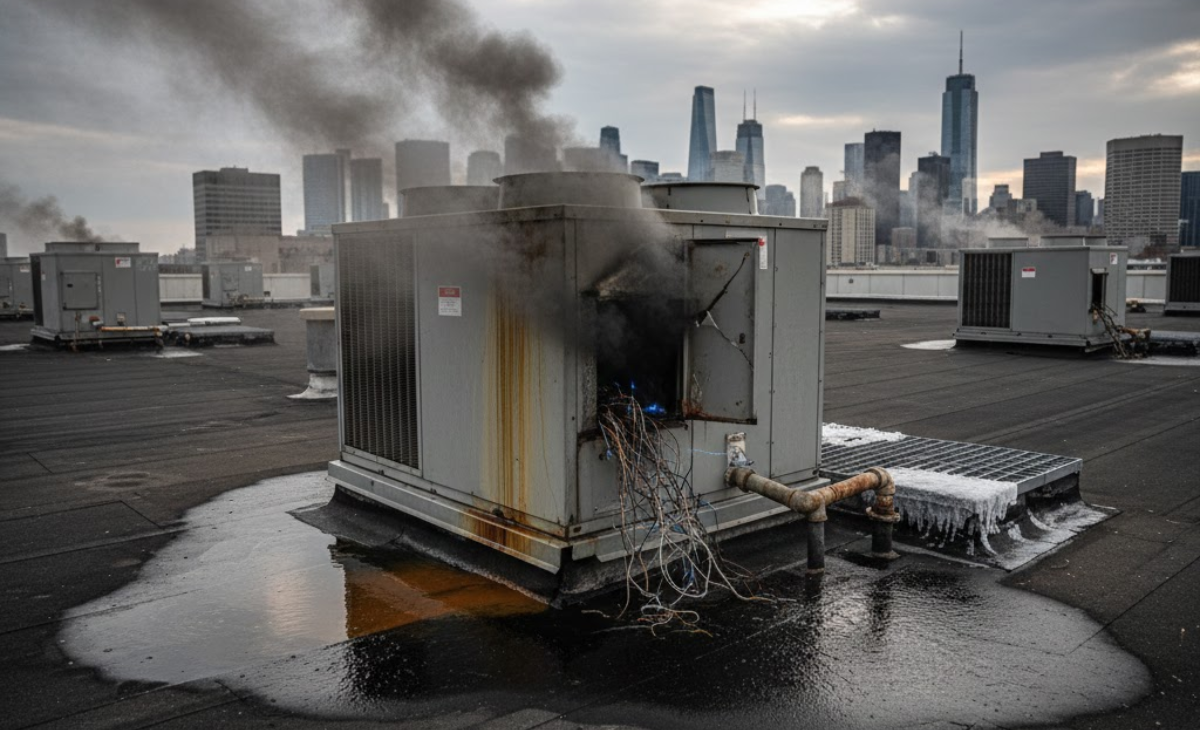
Commercial HVAC systems are the backbone of building comfort and operational efficiency. In San Diego, where businesses experience a steady demand for heating and cooling year-round, the proper functioning of these systems is critical. Large commercial buildings, from office towers and retail complexes to medical facilities and industrial sites, rely on their HVAC units not only to maintain comfortable indoor temperatures but also to protect sensitive equipment, ensure air quality, and comply with regulatory standards. When these systems show signs of trouble, delays in addressing issues can lead to costly repairs, energy inefficiency, and even business downtime. Recognizing the warning signs that indicate HVAC Commercial Unit Repairs in San Diego are needed can save businesses significant time and money.
Unlike residential systems, commercial HVAC units are high-capacity and operate continuously, often across multiple zones. Their complexity means that small problems can quickly escalate into significant failures. Building managers and facility operators must stay vigilant for symptoms that signal system stress or malfunction. Timely repairs performed by experienced professionals are essential to maintain system performance, reduce operational risk, and extend equipment lifespan.
Unusual Noises Indicating System Stress
One of the first signs that commercial HVAC units require attention is unusual noises. These may include grinding, rattling, hissing, or clanging sounds coming from the unit, ductwork, or mechanical components. Uncommon sounds often indicate issues such as loose parts, worn bearings, compressor strain, or airflow obstruction.
In large buildings, a single noisy component can disrupt the entire system’s efficiency. Ignoring these sounds can lead to further damage, higher repair costs, and even sudden system failure. Businesses that act promptly by scheduling HVAC Commercial Unit Repairs in San Diego often prevent minor mechanical issues from turning into major operational disruptions.
Inconsistent Temperature Across Zones
Commercial buildings frequently utilize multi-zone HVAC systems to manage temperature across offices, conference rooms, lobbies, and storage areas. When some zones remain uncomfortable while others operate normally, it may indicate system imbalance, duct leakage, or faulty thermostats.
Inconsistent temperatures can affect employee productivity and customer comfort. For temperature-sensitive equipment, such as servers or laboratory instruments, these fluctuations can have severe consequences. Professional repairs ensure proper balancing, restore uniform airflow, and maintain consistent comfort throughout the facility.
Increased Energy Consumption
A sudden spike in energy bills is often an early indicator of HVAC stress. Systems that are not operating efficiently must work harder to maintain temperature settings, which increases electricity consumption.
Potential causes include clogged filters, dirty coils, low refrigerant, or failing motors. Identifying and addressing these issues promptly through HVAC Commercial Unit Repairs in San Diego not only restores efficiency but also prevents further wear and protects building budgets from escalating energy costs.
Frequent Cycling or Short-Cycling
Commercial HVAC systems are designed to cycle on and off to maintain optimal performance. However, if a system turns on and off more frequently than normal, this short-cycling behavior signals underlying problems. Short-cycling can result from improperly sized units, refrigerant imbalance, blocked airflow, or failing sensors.
Frequent cycling increases stress on compressors, fans, and other critical components, reducing equipment lifespan. Immediate attention from professional technicians ensures that the system operates at proper intervals, maintaining efficiency and reliability.
Poor Indoor Air Quality
Commercial buildings require well-maintained ventilation systems to ensure healthy indoor air quality. If occupants report dust accumulation, unusual odors, or increased allergy symptoms, the HVAC system may be failing to filter and circulate air effectively.
Dirty or damaged filters, malfunctioning air handlers, or inadequate ventilation can compromise air quality and trigger health concerns. Addressing these issues through professional HVAC Commercial Unit Repairs in San Diego maintains a safe, comfortable, and compliant indoor environment.
Refrigerant Leaks and Cooling Loss
Refrigerant is critical for efficient cooling, yet leaks are common in large commercial units. Signs of refrigerant problems include insufficient cooling, ice formation on coils, or hissing noises. Low refrigerant levels force compressors to work harder, resulting in energy inefficiency, overheating, and potential component failure.
Timely repairs prevent further damage and restore optimal cooling performance. This is particularly important for San Diego’s commercial spaces, where year-round cooling is essential for occupant comfort and operational continuity.
Electrical Issues
Electrical failures are another major contributor to commercial HVAC downtime. Tripped breakers, blown fuses, or erratic operation may signal problems with contactors, capacitors, or control boards. Electrical faults, if not addressed promptly, can lead to complete system shutdown or even safety hazards.
Professional technicians can perform thorough diagnostics, repair or replace faulty components, and ensure the system operates safely and efficiently, minimizing unexpected interruptions in building operations.
Water Leaks and Condensation Problems
Commercial HVAC units often integrate water-cooled components or condensate lines. Leaks, standing water, or moisture accumulation can indicate clogged drains, pump failure, or coil damage. Water damage in mechanical rooms or ceilings can compromise structural integrity and create mold risks.
Prompt HVAC Commercial Unit Repairs in San Diego address these issues before they escalate, preventing costly facility damage and maintaining system reliability.
Aging Equipment
Age-related wear and tear is inevitable for commercial HVAC systems. Units that are 15–20 years old or older are more prone to breakdowns, component failure, and inefficiency. Signs such as frequent repair calls, inconsistent performance, or unusual noises often indicate that the system is approaching the end of its optimal lifespan.
Regular maintenance and timely repairs can extend equipment life, but replacement may eventually be necessary. Understanding the signs of aging equipment helps businesses plan budgets and avoid sudden operational disruptions.
Common Signs Your Building Needs HVAC Repairs
| Sign | Potential Cause | Why Immediate Action Matters |
| Unusual noises | Worn bearings, loose parts | Prevents catastrophic mechanical failure |
| Uneven temperatures | Duct leakage, sensor failure | Maintains occupant comfort and productivity |
| High energy bills | Clogged filters, inefficient components | Reduces operational costs and stress on system |
| Frequent cycling | Improper sizing, airflow restrictions | Protects compressors and prolongs lifespan |
| Poor air quality | Dirty filters, ventilation issues | Ensures health, compliance, and comfort |
| Refrigerant issues | Leaks or low charge | Prevents cooling failure and component damage |
| Electrical faults | Wiring, breakers, control issues | Avoids system shutdowns and safety hazards |
| Water leaks | Drain clogs, coil damage | Prevents facility damage and mold growth |
Frequently Asked Questions
How quickly should a building respond to these warning signs?
Immediate evaluation is recommended. Delays often result in more extensive damage and longer downtime.
Can professional repairs reduce energy costs?
Yes. Addressing inefficiencies such as airflow restrictions or low refrigerant improves system performance and lowers utility expenses.
Is aging equipment always a sign for replacement?
Not always. Timely repairs can extend lifespan, but if failures are frequent, replacement may be more cost-effective.
Do HVAC repairs require specialized commercial expertise?
Absolutely. Large units are complex and often integrated with building automation systems, making professional knowledge essential.
What role does preventive maintenance play?
Preventive inspections and repairs catch issues early, prevent downtime, and improve energy efficiency.
Conclusion
Recognizing the warning signs that indicate HVAC Commercial Unit Repairs in San Diego is crucial for minimizing disruptions, protecting equipment, and maintaining energy efficiency in commercial buildings. Unusual noises, inconsistent temperatures, frequent cycling, and poor air quality are signals that immediate professional attention is required.
Working with a trusted HVAC service company in San Diego ensures timely repairs, precise diagnostics, and reliable system performance. Cross Breeze HVAC provides expert commercial repair solutions that help businesses avoid costly downtime, maintain compliance, and ensure comfortable, safe environments for employees and customers year-round.