
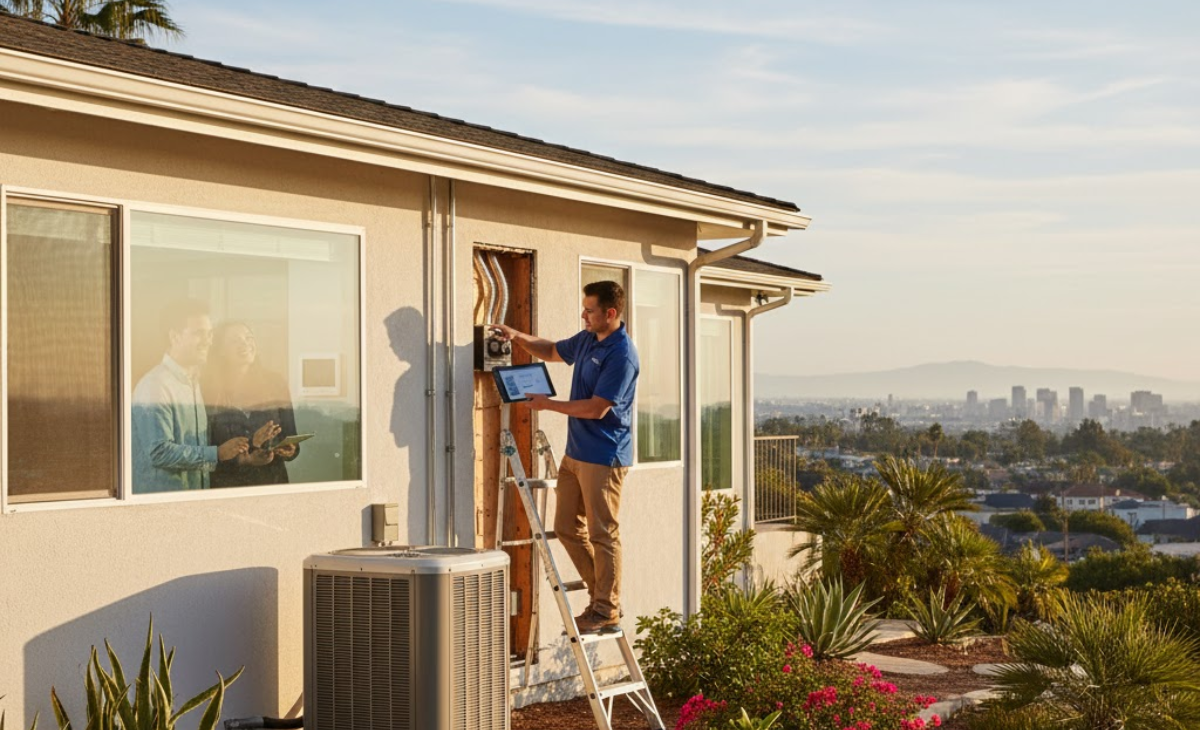
Modern homes are designed with open floor plans, multi-story layouts, and diverse living spaces that create unique challenges for heating and cooling. While traditional single-zone HVAC systems treat the entire home as one climate-controlled space, this often leads to uneven temperatures, energy waste, and frustration for homeowners. Upper floors may become too warm in summer, while lower floors remain chilly in winter. In large homes, some rooms may rarely reach the desired temperature, resulting in discomfort and higher energy bills.
For homeowners in San Diego, HVAC zoning system installation offers a practical solution. By dividing the home into multiple independently controlled zones, a zoning system delivers precise temperature management for each area. The result is consistent comfort, improved energy efficiency, and reduced strain on your HVAC system. Cross Breeze HVAC, a trusted provider in San Diego, specializes in designing and installing zoning systems that optimize performance for multi-story homes and larger properties.
This guide explores what homeowners need to know about HVAC zoning systems, their benefits, installation considerations, and long-term impact on comfort, energy savings, and indoor air quality.
What Is an HVAC Zoning System?
An HVAC zoning system is an advanced method of controlling indoor temperatures by dividing a home into separate zones. Each zone is equipped with its own thermostat and is regulated by motorized dampers in the ductwork. These dampers open or close to direct conditioned air only to the zones that require it, allowing for independent temperature control in each area.
Unlike single-zone systems that rely on one thermostat for the entire house, zoning systems provide individualized comfort. Multi-story homes are a prime example, as the upper floors are prone to overheating while the lower floors may feel cooler. A professional HVAC zoning system installation in San Diego ensures that the system is carefully designed to balance airflow, regulate temperature effectively, and operate efficiently for each zone.
Key Benefits of HVAC Zoning for Multi-Story Homes
1. Customized Comfort
Multi-story homes often have areas with varying temperature needs due to sun exposure, insulation, and floor placement. Zoning systems allow homeowners to set distinct temperatures for each zone, ensuring that bedrooms, living rooms, and offices remain comfortable regardless of the season.
With zoning, there is no longer a need to constantly adjust a single thermostat to compensate for uneven temperatures. For example, bedrooms can remain cooler at night, living areas can stay warmer during the day, and rarely used rooms can conserve energy.
2. Energy Efficiency and Cost Savings
Energy efficiency is one of the most significant advantages of zoning systems. By delivering heating or cooling only where it’s needed, zoning systems reduce energy waste. A home with several floors or large open areas can see up to 30% in energy savings when a zoning system is properly installed.
Potential Energy Savings with HVAC Zoning Systems
| Home Size | Number of Zones | Estimated Energy Savings | Notes |
| 2,500 sq ft | 3 | 15–20% | Small multi-story homes |
| 3,500 sq ft | 4 | 20–25% | Medium homes with multiple floors |
| 5,500+ sq ft | 5–6 | 25–30% | Large multi-story homes or homes with diverse sun exposure |
These savings are achieved by conditioning only the occupied areas instead of running the HVAC system at full capacity for the entire home. Homeowners in San Diego can benefit from both lower energy bills and reduced environmental impact.
3. Extended HVAC Equipment Lifespan
Zoning systems reduce wear and tear on your HVAC equipment. In traditional single-zone setups, the system often runs continuously to compensate for uneven heating or cooling, which increases stress on compressors, fans, and motors.
By operating only the zones that need conditioning, a zoning system reduces runtime and mechanical strain. A professional HVAC zoning system installation in San Diego ensures dampers are correctly calibrated and airflow is balanced, maximizing the longevity of your HVAC components.
4. Improved Indoor Air Quality
Zoning systems enhance indoor air quality by promoting consistent airflow throughout the home. Areas that are poorly ventilated can accumulate dust, allergens, and moisture. With a properly designed zoning system, air circulation is even, reducing the risk of stagnant air pockets that can negatively affect comfort and health.
Homes with multiple floors often face challenges with humidity and airflow. Professional installation addresses these issues, integrating dampers, ducts, and thermostats to maintain optimal air quality across all zones.
5. Flexible Scheduling and Smart Controls
Modern zoning systems often come with programmable or smart thermostats that allow homeowners to set schedules for each zone. This means temperatures can be automatically adjusted according to daily routines or seasonal changes.
For instance, bedrooms can be cooler at night, living rooms warmer during the day, and home offices conditioned only when occupied. Smart controls also allow homeowners to make remote adjustments through smartphone apps, further improving convenience and energy efficiency.
Installation Considerations for Homeowners
Before investing in a zoning system, several factors should be evaluated to ensure maximum performance:
- Home Layout and Number of Zones: The home’s size, number of floors, and usage patterns determine how many zones are needed.
- Ductwork Assessment: Properly designed and installed ductwork is critical to ensure balanced airflow and efficient operation.
- HVAC Unit Compatibility: Some older systems may need modifications to support zoning technology.
- Thermostat Selection: Homeowners can choose from manual, programmable, or smart thermostats depending on convenience and control preferences.
Professional HVAC zoning system installation in San Diego involves a comprehensive home evaluation, where technicians assess existing systems, measure airflow, and determine the optimal number of zones for both comfort and energy efficiency.
Key Factors Impacting Zoning System Performance
| Factor | Impact | Benefit for Homeowners |
| Number of Zones | Determines precision of temperature control | Personalized comfort in every area |
| Ductwork Design | Affects airflow balance | Efficient heating and cooling |
| Thermostat Type | Controls schedules and system operation | Convenience and energy savings |
| HVAC Unit Capacity | Must support multiple zones | Reliable performance and efficiency |
| Professional Installation | Ensures correct calibration | Maximizes energy savings and system lifespan |
Common Misconceptions About Zoning Systems
Despite their benefits, some homeowners hesitate to install zoning systems because of common misconceptions:
- “Zoning is only for very large homes” – Even moderately sized multi-story homes can see significant energy savings and improved comfort.
- “Zoning is too expensive” – While installation costs are higher than single-zone systems, long-term energy savings and reduced maintenance costs provide a strong return on investment.
- “Zoning is complicated to operate” – Modern smart thermostats and professional setup make zoning intuitive and easy to manage.
A professional HVAC zoning system installation in San Diego addresses these misconceptions, delivering a system that is efficient, user-friendly, and fully customized to the home’s layout.
Frequently Asked Questions
How many zones does a typical multi-story home require?
Most multi-story homes benefit from 3–5 zones, with larger or irregularly shaped homes requiring more.
Will zoning reduce energy bills?
Yes. By conditioning only occupied areas, homeowners can save 20–35% on heating and cooling costs.
Can zoning be added to an existing HVAC system?
Most modern HVAC systems can accommodate zoning. Older systems may require additional components or modifications.
Does zoning improve indoor air quality?
Yes. Balanced airflow reduces stagnant air pockets and helps maintain consistent humidity and cleaner air.
Is professional installation necessary?
Absolutely. Proper calibration of dampers, ductwork, and thermostats is essential to ensure comfort, efficiency, and system longevity.
Real-World Benefits
Homeowners in San Diego have experienced measurable benefits after installing zoning systems. Multi-story homes with independent temperature control report improved comfort throughout the home, lower energy bills, and reduced wear on their HVAC equipment. Smart thermostats integrated with zoning systems allow remote access and programmable schedules, giving homeowners precise control over each zone.
In addition to comfort and energy savings, zoning systems enhance the value of the home. Prospective buyers often see zoned HVAC systems as a desirable feature, highlighting modern convenience and energy efficiency.
Conclusion
For homeowners in San Diego, HVAC zoning system installation offers a comprehensive solution for multi-story homes and homes with diverse living areas. By providing independent control over multiple zones, zoning systems deliver customized comfort, significant energy savings, improved indoor air quality, and extended equipment lifespan.
Cross Breeze HVAC specializes in expert zoning system installation, ensuring each zone is optimized for efficiency, balance, and comfort. As a trusted HVAC service company in San Diego, the team provides professional guidance, seamless installation, and ongoing support, helping homeowners maximize the benefits of their zoning systems.
Investing in a professionally installed HVAC zoning system is a smart choice for San Diego homeowners seeking consistent comfort, reduced energy costs, and long-term reliability for their heating and cooling systems.