
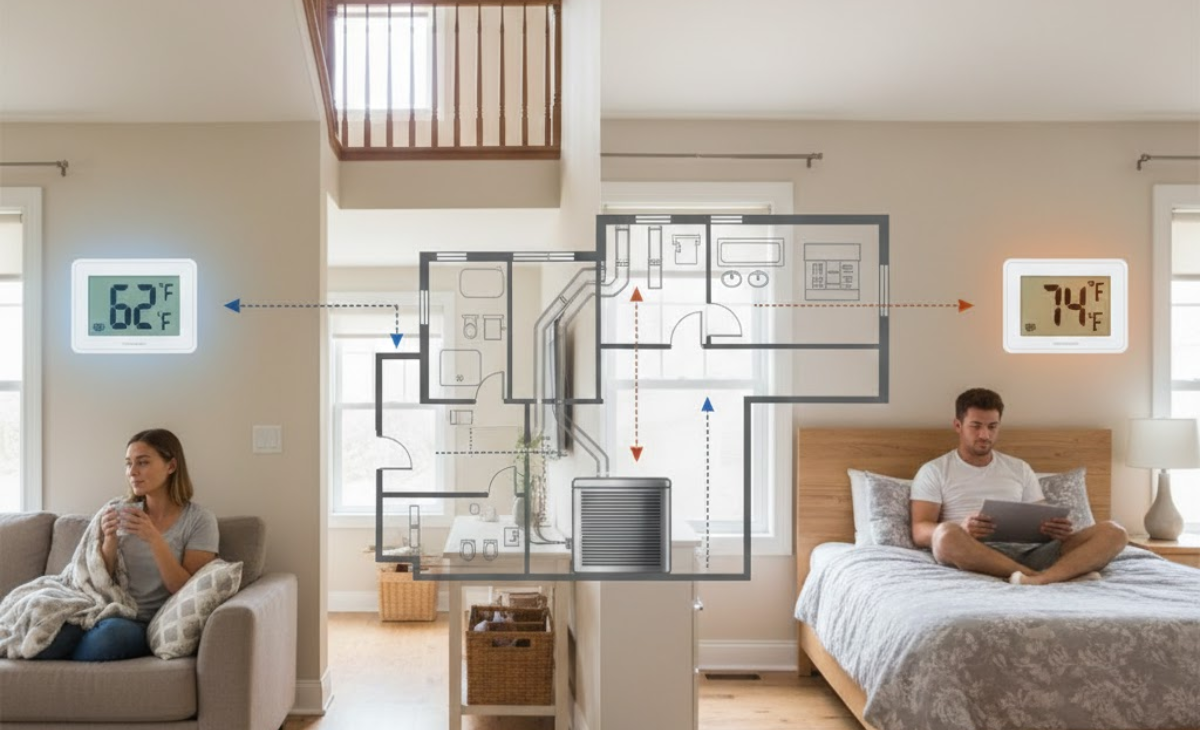
Homeowners in San Diego increasingly seek ways to improve indoor comfort while reducing energy consumption. One of the most effective solutions is a HVAC zoning system, which allows different areas of a home to be heated or cooled independently. Traditional single-zone HVAC systems often result in uneven temperatures, wasted energy, and higher utility bills. By contrast, a professionally executed HVAC zoning system installation in San Diego provides precise control over your home’s climate, enhancing comfort and efficiency.
Proper installation of a zoning system ensures that each zone receives the right amount of conditioned air at the right time. This prevents hot and cold spots, reduces energy waste, and allows homeowners to tailor indoor comfort to their unique preferences. For San Diego residents, investing in zoning installation is a long-term solution that enhances both comfort and energy savings.
Understanding HVAC Zoning Systems
A zoning system divides a home into multiple areas or “zones,” each controlled independently using dampers, thermostats, and a central control panel. Instead of cooling or heating the entire house uniformly, the system adjusts airflow to meet the needs of each zone.
Professional HVAC zoning system installation in San Diego involves careful assessment of your home’s layout, ductwork, and insulation. Technicians determine the optimal number of zones, install motorized dampers in the ductwork, and integrate zone-specific thermostats. The result is a home that is comfortable throughout, regardless of outdoor temperatures or individual preferences.
Benefits of HVAC Zoning System Installation
1. Improved Comfort
One of the primary advantages of zoning is enhanced comfort. Different family members may prefer different temperatures, and rooms may receive varying sunlight, causing uneven heating or cooling.
By customizing airflow to each zone, a zoning system ensures that living areas, bedrooms, and workspaces maintain the desired temperature consistently. Homeowners no longer experience hot or cold spots, even in multi-story or larger homes.
2. Energy Efficiency
Zoning systems optimize energy usage by conditioning only the areas that are occupied. Instead of running the entire system at full capacity, the HVAC unit works efficiently to meet the needs of individual zones.
Proper HVAC zoning system installation in San Diego ensures that dampers, thermostats, and the central control panel work together seamlessly, reducing energy waste and lowering utility bills. Over time, this energy-conscious approach can result in significant cost savings.
3. Reduced Wear and Tear
By distributing conditioned air more efficiently, a zoning system reduces strain on the HVAC unit. The system doesn’t have to work as hard to maintain a uniform temperature across the home, which extends the lifespan of key components like compressors, fans, and motors.
Professional installation is critical to achieving these benefits. Incorrectly installed dampers or poorly calibrated thermostats can create pressure imbalances, resulting in uneven airflow and premature system wear.
4. Enhanced Control and Flexibility
Modern zoning systems often include smart thermostats, allowing homeowners to adjust temperatures remotely or schedule different settings for various zones. This level of control adds convenience and flexibility, especially for families with variable schedules.
In San Diego, where outdoor temperatures can fluctuate seasonally, zoning systems enable homeowners to adapt to changing conditions while maintaining comfort and energy efficiency.
5. Improved Indoor Air Quality
Properly designed zoning systems contribute to healthier indoor air by ensuring optimal airflow and filtration in each zone. Individual zone control allows for consistent humidity management, reducing the risk of mold, mildew, and allergens in specific areas.
Professional HVAC zoning system installation in San Diego integrates air quality considerations into system design, ensuring that each zone receives clean, properly conditioned air.
Factors That Influence Zoning Installation
Several factors determine how an HVAC zoning system is installed and the benefits homeowners will experience:
- Home Layout: Multi-story homes, large living areas, or irregular floor plans may require more zones for balanced airflow.
- Ductwork Design: Existing ductwork may need modifications or upgrades to accommodate dampers and ensure proper airflow.
- System Compatibility: The existing HVAC unit must be compatible with zoning technology, or upgrades may be necessary.
- Control Options: Homeowners can choose manual thermostats, programmable units, or smart thermostats for each zone.
Professional installation ensures these factors are carefully assessed, resulting in a system that delivers optimal performance and efficiency.
Cost Considerations
The cost of a zoning system depends on several variables:
- Number of zones: More zones typically increase installation complexity and material costs.
- Equipment: Motorized dampers, zone control panels, and additional thermostats add to expenses.
- Ductwork modifications: Homes with complex layouts or older duct systems may require adjustments.
- Labor: Professional installation ensures proper calibration, balancing, and testing of the system.
While zoning installation may have a higher upfront cost compared to standard single-zone systems, the energy savings, comfort, and extended equipment lifespan often justify the investment.
Benefits of HVAC Zoning Systems
| Benefit | Description | Long-Term Advantage |
| Improved Comfort | Temperature control per zone | Consistent comfort throughout the home |
| Energy Efficiency | Condition only occupied zones | Lower utility bills |
| Reduced Wear | Less strain on HVAC components | Extended equipment lifespan |
| Enhanced Control | Smart thermostats and schedules | Flexibility and convenience |
| Better Air Quality | Consistent airflow and humidity | Healthier indoor environment |
Common Mistakes to Avoid During Zoning Installation
- Incorrect Zone Placement: Poorly chosen zone locations can create hot or cold spots.
- Improper Damper Installation: Misaligned or malfunctioning dampers reduce system efficiency.
- Ignoring Existing Ductwork: Old or poorly designed ducts can hinder airflow and performance.
- Skipping Professional Calibration: Balancing airflow and programming thermostats is critical for optimal operation.
Professional HVAC zoning system installation in San Diego addresses these issues, ensuring that each component works together seamlessly.
Frequently Asked Questions
How many zones do most homes require?
The number of zones depends on home size, layout, and individual comfort needs. Multi-story homes typically benefit from 3–5 zones.
Will zoning installation reduce my energy bills?
Yes. By conditioning only occupied areas and optimizing airflow, zoning systems can significantly reduce energy consumption.
Can I add a zoning system to an existing HVAC unit?
Most modern systems are compatible with zoning upgrades, though older systems may require additional modifications or equipment.
Does zoning affect indoor air quality?
Properly installed zoning systems maintain balanced airflow and humidity control, which helps reduce allergens and improve air quality.
Is professional installation necessary?
Absolutely. Correct damper installation, ductwork adjustments, and system calibration are critical for efficiency, comfort, and warranty protection.
Conclusion
Investing in professional HVAC zoning system installation in San Diego enhances home comfort, energy efficiency, and indoor air quality. By dividing a home into zones, residents gain precise control over temperature, reduce energy waste, and extend the lifespan of their HVAC system.
For homeowners in San Diego seeking expert guidance and reliable installation, Cross Breeze HVAC delivers professional service and tailored solutions as a trusted HVAC service company in San Diego. Partnering with certified professionals ensures that every zone performs optimally, keeping your home comfortable and efficient year-round.