
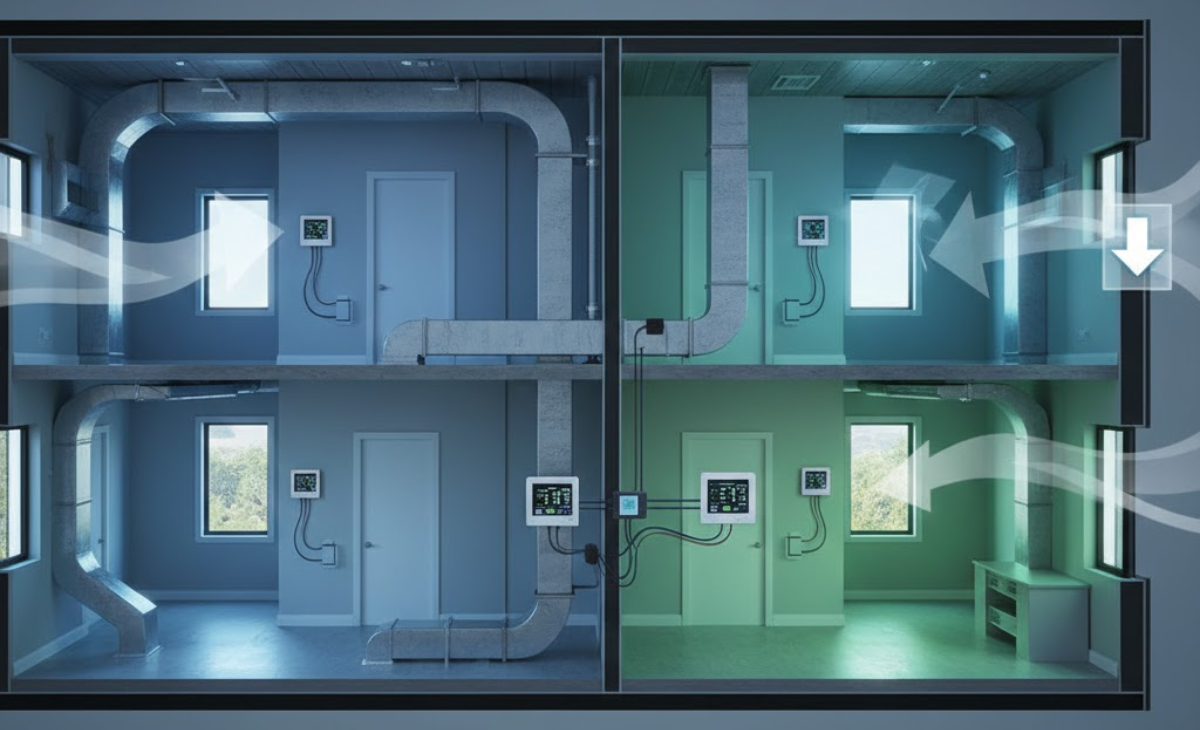
Homeowners today are more conscious than ever about energy efficiency, not only to reduce environmental impact but also to save on utility costs. One of the most effective ways to achieve both comfort and savings is through HVAC zoning system installation in San Diego. Especially in multi-story homes or homes with varied room usage, zoning systems provide a targeted approach to heating and cooling, ensuring energy is not wasted on unused spaces.
Cross Breeze HVAC, a leading San Diego provider, specializes in installing customized zoning systems that maximize energy efficiency, enhance comfort, and reduce monthly energy bills. In this detailed guide, we’ll explore how zoning systems work, why they lower energy costs, installation considerations, and real-world savings homeowners can expect.
What Is an HVAC Zoning System?
A zoning system is an advanced method of controlling a home’s indoor climate by dividing it into multiple zones, each with its own thermostat. Motorized dampers in the ductwork regulate airflow, sending heating or cooling only to the areas that need it.
Unlike traditional single-zone HVAC systems, which treat the entire home as one climate-controlled area, zoning systems allow for precision temperature management. Multi-story homes are particularly well-suited for zoning systems because they often experience temperature inconsistencies. Upper floors can overheat in the summer, while lower floors remain cool, creating uneven comfort.
With professional HVAC zoning system installation in San Diego, each zone can be tailored for comfort and efficiency. Homeowners can set temperatures independently for bedrooms, living areas, offices, or any other part of the home, ensuring no energy is wasted on empty rooms.
How Zoning Systems Reduce Energy Bills
Targeted Heating and Cooling
One of the main reasons zoning systems reduce energy costs is their ability to target only the areas that require conditioning. In a traditional HVAC system, energy is used to heat or cool the entire home, even if many rooms are unoccupied. Zoning systems allow homeowners to control which areas receive airflow, ensuring energy is not wasted on empty rooms.
For example, during the day, a family may only use the living room and kitchen, while bedrooms remain unoccupied. A zoning system can shut off airflow to the bedrooms, significantly reducing energy consumption.
Reduced HVAC Runtime
By conditioning only the areas in use, a zoning system reduces the runtime of the HVAC unit. This prevents overworking the system, which not only saves energy but also extends the lifespan of the equipment. Over time, homeowners benefit from both lower energy bills and reduced maintenance costs.
Enhanced Efficiency Through Smart Thermostats
Modern zoning systems often include programmable or smart thermostats. These devices allow homeowners to schedule temperature changes for each zone based on daily routines. For instance, bedrooms can be cooler at night, living areas warmer during the day, and rarely used rooms remain off. Smart controls can also adapt to occupancy patterns and seasonal changes, further improving efficiency.
Cross Breeze HVAC ensures that each thermostat is optimally configured during installation, providing maximum energy savings.
Average Energy Savings with Zoning Systems
| Home Size | Number of Zones | Estimated Energy Savings | Notes |
| 2,500 sq ft | 3 | 15–20% | Ideal for small multi-story homes |
| 3,500 sq ft | 4 | 20–25% | Suitable for medium-sized homes |
| 5,000+ sq ft | 5–6 | 25–30% | Large homes with multiple floors and open spaces |
This table illustrates the potential energy savings homeowners can achieve with proper HVAC zoning system installation in San Diego. Larger homes with more zones typically see the highest percentage of energy reduction.
Why Multi-Story Homes Benefit Most
Multi-story homes often experience the most extreme temperature variations. Heat rises, causing upper floors to become uncomfortably warm in the summer, while lower floors may remain cooler. During the winter, the opposite effect can occur, leading to uneven heating throughout the home.
A zoning system addresses this issue by allowing homeowners to set different temperatures for each floor. For example, upper floors can be set cooler during hot months while lower floors remain warmer, ensuring comfort without unnecessary energy use. This targeted approach leads to noticeable reductions in energy bills.
Impact on HVAC Longevity
Traditional HVAC systems run longer to maintain a consistent temperature throughout the entire home. This extended runtime increases wear and tear on compressors, fans, and motors, potentially leading to frequent repairs and shortened system life.
Zoning systems reduce runtime by focusing only on occupied zones. With professional HVAC zoning system installation in San Diego, airflow is balanced, dampers function correctly, and each zone receives the precise amount of conditioned air. This prevents unnecessary strain on the HVAC unit and helps maintain system performance over time.
Improved Indoor Air Quality
Energy savings go hand in hand with improved indoor air quality. Zoning systems distribute air evenly, reducing stagnant pockets where dust, allergens, and moisture can accumulate. Consistent airflow in each zone helps maintain proper humidity levels, preventing mold growth and ensuring cleaner, healthier air throughout the home.
Cost vs Savings Analysis for Zoning Systems
| Factor | Conventional HVAC | Zoning System | Benefit |
| Energy Use | 100% | 70–80% | 20–30% savings on utility bills |
| Equipment Runtime | Full | Reduced | Longer system lifespan |
| Comfort | Uneven | Customizable per zone | Increased satisfaction |
| Maintenance | Frequent due to wear | Less frequent | Lower repair costs |
| ROI Period | N/A | 4–6 years | Energy savings offset installation cost |
This table demonstrates how investment in a zoning system can quickly translate into energy savings and long-term financial benefits.
Installation Considerations
Before installing a zoning system, homeowners should consider several important factors:
- Number of Zones: Determined by home layout, number of floors, and occupancy patterns.
- Ductwork Design: Proper airflow depends on well-designed and balanced ductwork.
- HVAC System Compatibility: Older systems may need upgrades or additional components to support zoning.
- Thermostat Type: Options range from manual to programmable or smart thermostats.
Professional installation is critical. Improperly installed systems can lead to uneven airflow, wasted energy, and higher bills. Cross Breeze HVAC provides expert design and installation, ensuring optimal performance and maximum energy savings.
Energy Savings in San Diego
A 3,800 sq ft multi-story home in San Diego installed a zoning system with four zones: master bedroom, secondary bedrooms, living area, and home office. Before installation, the home’s monthly energy bill averaged $380. After professional HVAC zoning system installation in San Diego, the homeowner noticed a consistent $110 reduction per month. The system also improved comfort, with each zone achieving the desired temperature without manual adjustments.
This real-world example demonstrates how zoning systems not only save energy but also enhance the daily living experience in multi-story homes.
Common Questions About Zoning Systems
How much can I save with a zoning system?
Savings vary based on home size, number of zones, and energy usage habits, but homeowners typically see a 20–30% reduction in heating and cooling costs.
Can zoning be added to my existing HVAC system?
Yes. Most modern systems can accommodate zoning, although older systems may require upgrades.
Does zoning improve comfort?
Absolutely. Zoning allows for independent temperature control in each area, eliminating hot and cold spots.
Is professional installation necessary?
Yes. Proper calibration ensures energy efficiency, balanced airflow, and long-term performance.
Do smart thermostats work with zoning systems?
Yes. Smart thermostats enhance efficiency by allowing scheduling, remote access, and occupancy-based adjustments.
Long-Term Benefits
Investing in a zoning system is not only about immediate savings. Long-term benefits include:
- Extended HVAC lifespan due to reduced runtime and mechanical strain.
- Lower maintenance costs because the system operates efficiently and avoids overworking components.
- Enhanced property value as modern, energy-efficient features are attractive to buyers.
- Improved environmental impact through reduced energy consumption and carbon footprint.
Multi-story homes, homes with open floor plans, and homes with varying occupancy patterns experience the most dramatic benefits from zoning.
Conclusion
For homeowners in San Diego, HVAC zoning system installation offers a practical and effective way to reduce energy bills while improving comfort and air quality. By providing independent control for multiple zones, homeowners can avoid wasting energy on unoccupied areas, balance temperatures across floors, and extend the life of their HVAC system.
Cross Breeze HVAC delivers professional installation, ensuring every zone operates efficiently and reliably. As a trusted HVAC service company in San Diego, the team provides expert guidance, precise installation, and ongoing support, helping homeowners maximize energy savings, improve indoor comfort, and enjoy a more sustainable home.